A little extra softness around your cat’s middle may seem harmless, but an overweight cat faces meaningful health concerns over time. For cat owners in Antioch, noticing gradual weight gain often starts with a simple question: is this normal, or is my cat carrying too much weight?
Body shape, activity, age, feeding habits, and medical history all matter. A veterinary exam at Abbey Vet Hospital offers a clearer picture than appearance alone and gives owners a sensible path forward.
Why Extra Weight Matters for Feline Health
Excess body fat places added strain on a cat’s joints and may make jumping, grooming, and play more difficult. An overweight cat may face greater risk for diabetes, arthritis, urinary concerns, and other health problems. Reduced mobility may further limit activity, creating a cycle of weight gain and inactivity. Maintaining an appropriate body condition supports comfort, movement, and day-to-day quality of life.
What May Be Behind Your Cat’s Weight Gain
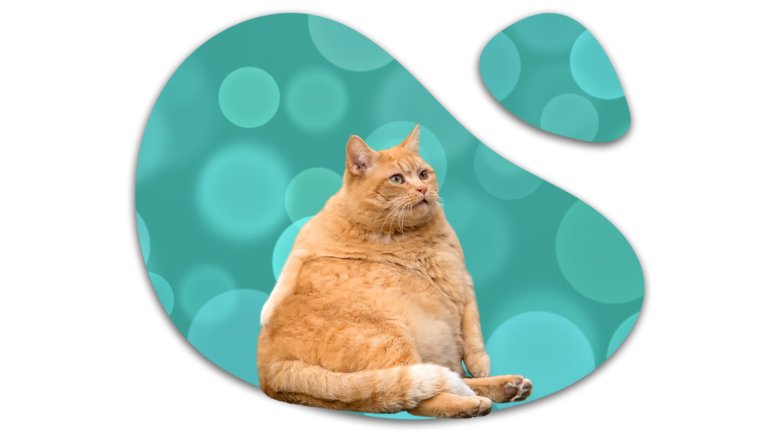
Overfeeding is a frequent reason cats gain excess weight, especially when portions, treats, and calorie-dense foods exceed daily energy needs. Indoor routines with limited play may contribute as well. Age, neuter status, medications, and underlying medical conditions may influence weight or appetite. A veterinarian should review an overweight cat’s diet and health history before major feeding changes begin.
Signs Your Cat May Be Carrying Extra Weight
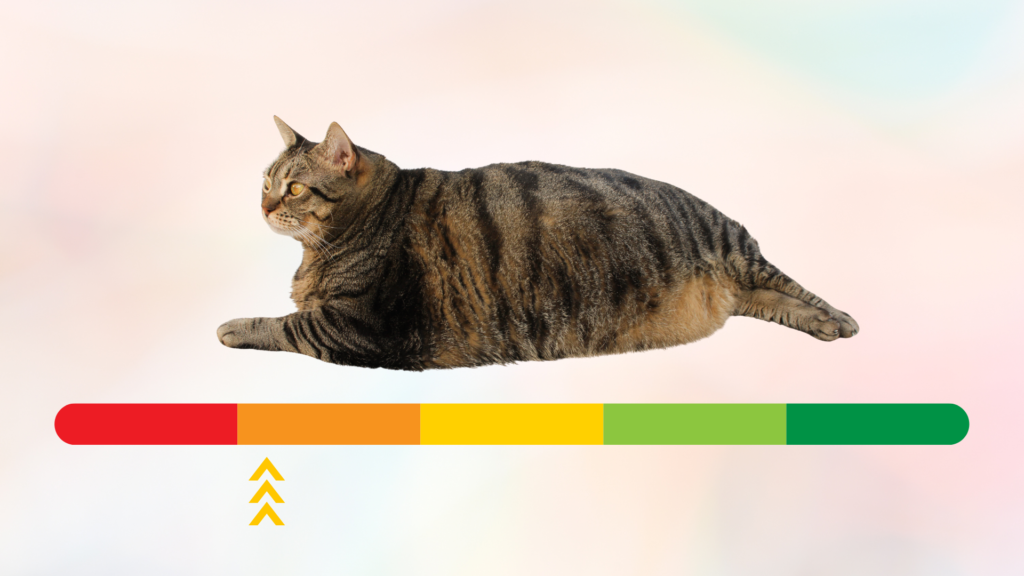
A healthy body condition is about more than the number on a scale. From above, many cats at an appropriate weight show a visible waist behind the ribs, while the ribs remain easy to feel beneath a light fat covering. If the waist disappears, the abdomen becomes rounded, or the ribs become difficult to feel, excess weight may be present. The cat body condition scoring chart offers a useful visual reference, though a veterinary assessment remains the best way to interpret your cat’s condition.
When Weight Gain Deserves a Veterinary Visit
Unexpected or steady weight gain deserves attention, particularly when it comes with changes in appetite, thirst, energy, mobility, or grooming. At Abbey Vet Hospital, wellness exams and diagnostic services give the veterinary team an opportunity to assess body condition and look for factors that may affect weight. An overweight cat needs an individualized plan based on current health, diet, lifestyle, and realistic goals. Antioch cat owners should seek veterinary guidance before reducing food portions sharply or switching to a restrictive diet.

Three Smart Steps for Managing Feline Weight
- Measure meals rather than estimating portions, and include treats when tracking daily intake.
- Build regular play into the day with activities that encourage safe movement and engagement.
- Skip internet diet trends and discuss calorie targets, food choices, and weight-loss pacing with your veterinarian.
Local Care for Overweight Cats in Antioch, CA
Abbey Vet Hospital provides veterinary care for cats and dogs. Pet owners in Antioch, Pittsburg, Oakley, and Brentwood have a local veterinary resource when weight changes raise concerns. If your overweight cat needs an evaluation, schedule an appointment with the Abbey Vet Hospital team.